A US fintech company spent 14 months registering a Philippine entity, fitting out 22 seats in Makati, and paying an operator management fee — only to discover, at the transfer milestone, that six of their best people had already quit. That's the BOO model working exactly as designed. The question is whether it was ever the right model for them.
TL;DR
-
BOO gives you a captive team in the Philippines — but you carry all the setup risk and cost for 18–36 months before transfer.
-
Upfront CAPEX runs $80K–$140K for a 20-seat center before a single employee is productive.
-
BOO only makes economic sense at 100+ seats with a 3–5 year minimum horizon.
-
Dedicated team models give you BOO-level control with zero entity setup and teams live in 4–6 weeks.
BOO vs BPO vs BOT: Three Models, Very Different Risk Profiles
These three acronyms get swapped freely in sales decks. They are not the same thing, and conflating them will cost you real money.
 Aerial editorial photograph of a sunlit open-plan Manila office floor, rows of curved workstations o
BOO (Build-Operate-Own) means an operator sets up and runs a captive center in the Philippines on your behalf, then transfers ownership to you at an agreed milestone — typically two to three years out. You end up owning the entity, the team, and every HR liability that comes with it. BOT (Build-Operate-Transfer) is functionally identical; the naming difference is mostly contractual. BPO (Business Process Outsourcing) is the original model: the vendor owns the team, you buy output or hours, you hold zero equity in the people doing the work.
| Model | Who Owns Staff | Upfront Cost | Time to Launch | Best For |
| BOO / BOT | Operator → then you | $80K–$200K+ | 6–18 months | 100+ seats, 3–5yr horizon |
| BPO | Vendor (always) | Low / none | 2–8 weeks | Output-based, flexible volume |
| Dedicated Team | Provider manages, you direct | Zero CAPEX | 4–6 weeks | 10–100 seats, embedded control |
The piece most US companies miss: BOO demands real CAPEX before you're operational. PEZA or SEC entity registration, office fit-out, equipment, legal compliance — all of it lands on your balance sheet from day one. See how Philippines BPO pricing models compare structurally if you want to understand the per-seat commitment you're signing up for.
Philippines BOO Cost Breakdown: What US Companies Actually Pay
$80K–$140K Typical upfront CAPEX for a 20-seat BOO center in Manila before a single employee is productive
That figure breaks into three buckets operators don't present together — by design.
 Close-up editorial shot of a Filipina HR manager's hands arranging labor contract documents across a
Setup costs: PEZA or SEC entity registration typically runs $3K–$8K in government fees, plus $5K–$15K in legal and compliance work — labor counsel, employment contract templates, data privacy compliance under the Philippine DPA. Office fit-out in Metro Manila averages $2K–$4K per seat, higher inside a PEZA-accredited IT park, which many operators require as a condition of their service.
Operational costs during the operate phase: On top of base salaries — typically $700–$1,200 per month for mid-skill roles — you pay the operator a management fee of 15–25% of total labor costs. Mandatory Philippine benefits (13th month pay, SSS, PhilHealth, Pag-IBIG) add roughly 15% on top of base salary. Work through the full outsourcing cost Philippines per hour breakdown before you sign anything — the numbers compound fast.
Transfer costs: When ownership flips, expect IP assignment fees, employment contract novation (re-papering every employment agreement under your entity), and potential redundancy exposure if headcount changes at transition. These rarely appear in the initial BOO proposal. For year-by-year cost phasing, the Philippines outsourcing budget planning guide builds out the full model.
"The operator management fee sounds reasonable at 20% — until you realize it compounds every month for two years on a growing headcount."
When BOO Makes Sense (And When It's the Wrong Tool)
BOO is a legitimate model. It's just wrong for most US companies considering Philippines expansion — and the viability threshold is considerably higher than operators will volunteer.
✓ BOO fits when:
-
Target headcount is 100+ seats within 24 months
-
You have proprietary processes requiring strict IP control
-
Your team includes in-country HR/legal expertise already
-
You have a confirmed 3–5 year commitment horizon
-
Finance can absorb $100K+ CAPEX before breakeven
✗ BOO risks when:
-
Team size is under 50 seats — CAPEX never amortizes
-
You need staff operational within 90 days
-
No in-country HR/legal capacity on your side
-
Attrition management falls entirely on you at transfer
-
Operator incentives misalign once transfer is complete
The pattern repeats: a 35-person US SaaS company pursues BOO because their VP of Ops visited Manila, liked what they saw, and was sold on "owning your team." Eighteen months later they're managing Philippine labor law compliance from Austin with no in-house HR. Three senior agents left during the transition window. The Philippines BPO attrition challenge doesn't vanish at the transfer milestone — it just becomes your problem instead of the operator's. No SLA protects you from it at that point.
Did You Know? The Philippines has mandatory separation pay requirements under the Labor Code. At BOO transfer, re-papering employment contracts under your US entity can trigger constructive dismissal risk if not handled by local counsel — a cost that almost never appears in BOO proposals.
If you're evaluating Philippines expansion more broadly, the Philippines vs India outsourcing comparison provides useful grounding on why the Philippines dominates for English-language, customer-facing roles — regardless of which model you ultimately choose.
The Smarter Play for Sub-100-Seat Teams: Dedicated Teams Without the CAPEX
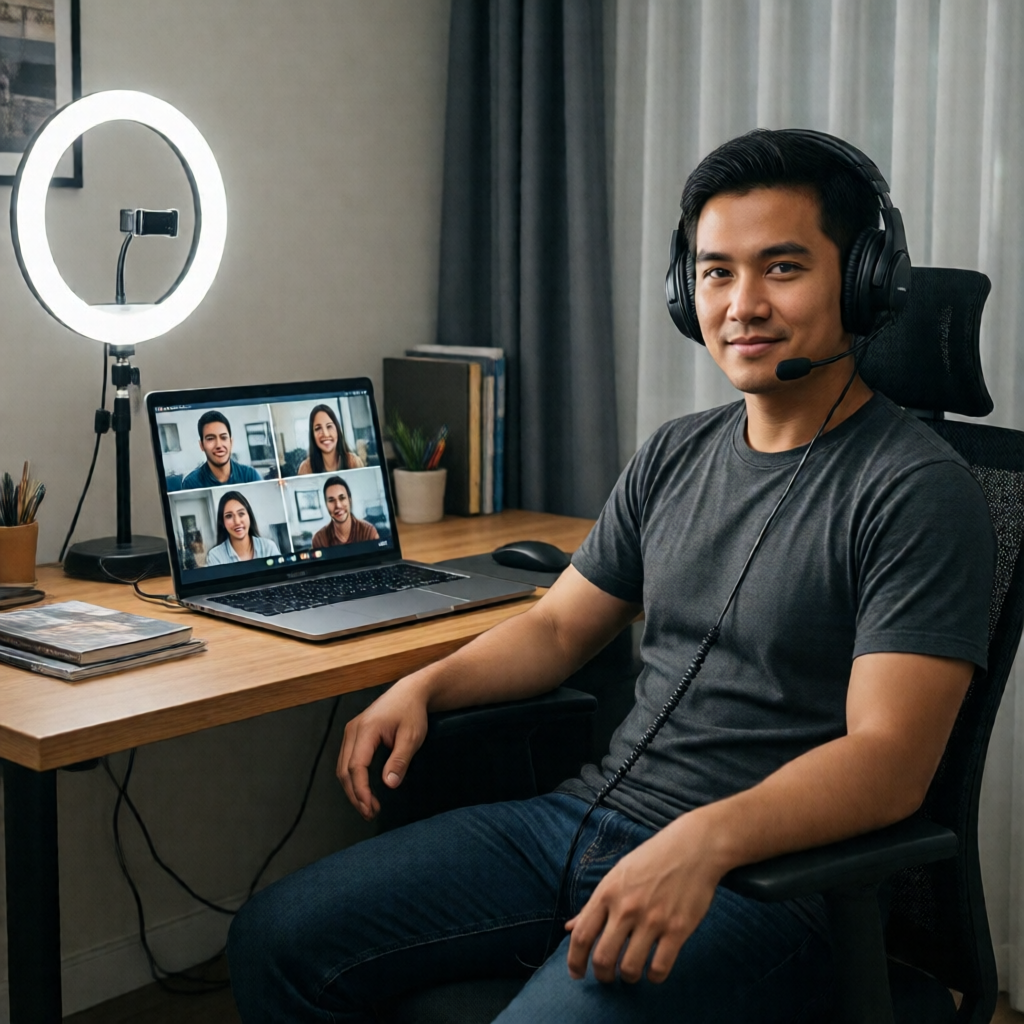 Editorial split-frame photograph: on the left, a compact Quezon City home office — ring light glowin
Most US companies need something specific: named, embedded staff in the Philippines who work exclusively for them, managed by a provider who handles HR, payroll, compliance, and facilities. No entity setup. No PEZA registration. No Philippine labor law liability landing on your balance sheet.
That's what iSuporta's Dedicated Teams model delivers. Your team is live in 4–6 weeks — not 6–18 months. You direct the work, set the schedule, build the culture. iSuporta handles hiring, employment contracts, benefits administration, office infrastructure, and local compliance. If you want to explore the tech-team variant specifically, the IT staff augmentation Philippines track covers it in full.
The critical distinction from standard BPO: your team isn't shared across clients. These are dedicated headcount — your people, your processes, your brand standards. The control BOO promises, without the 18-month ramp and $80K–$140K entry cost. See how it works before your next stakeholder conversation.
Bottom Line For US companies under 100 seats, iSuporta Dedicated Teams deliver BOO-level control without the $80K–$140K setup cost or 18-month ramp. Zero CAPEX, full team operational in 4–6 weeks, Philippine labor law compliance handled for you.
Frequently Asked Questions
How long does the Build Operate Own process take in the Philippines?
A typical BOO engagement runs 18–36 months from entity setup to ownership transfer. The build phase alone — entity registration, office fit-out, initial hiring — takes 6–12 months. The operate phase runs another 12–24 months before transfer. Companies needing staff operational within 90 days should look at dedicated team models instead.
Is BOO better than BPO for Philippines outsourcing?
BOO gives you ownership and long-term control but front-loads significant CAPEX and management overhead. BPO is faster, lower-risk, and cheaper to start — but you never own the team. For most US companies under 100 seats, a dedicated team model bridges the gap: embedded, loyal staff without the entity setup burden or the vendor-controls-everything limitation of traditional BPO.
What are the hidden costs of BOO in the Philippines?
Beyond the operator management fee (15–25% of labor costs), BOO companies pay PEZA/SEC legal fees ($5K–$15K), office fit-out per seat ($2K–$4K), ongoing compliance costs, and transfer-stage costs including IP assignment and employment novation. Attrition risk transfers entirely to you at the ownership stage — with no operator SLA backstop remaining.
Skip the 18-Month BOO Ramp Get a dedicated Philippines team operational in 4–6 weeks — zero CAPEX, zero entity setup, full control.
✓ Bottom Line: Is BOO Right for You?
-
BOO makes sense if you're committing 100+ seats, have 18–36 months of runway, and want full entity ownership in the Philippines long-term.
-
BOO does not make sense if you need staff in under 6 months, are under 50 seats, or can't absorb $50K–$150K in upfront CAPEX.
-
The middle path — a dedicated team model — gives you embedded, loyal Philippine staff with day-one operational speed, no entity risk, and costs that scale with headcount rather than front-loading your budget.
-
Total cost of ownership matters more than the model name. Run a 3-year blended cost comparison before committing to any BOO operator.